The gift of the Himalayas
Gardens at 1,000 to 2,200 m where cool air, mist and sunshine slow leaf growth, concentrating amino acids, essential oils and aromatic compounds for greater complexity, floral elegance and a long, lingering finish.
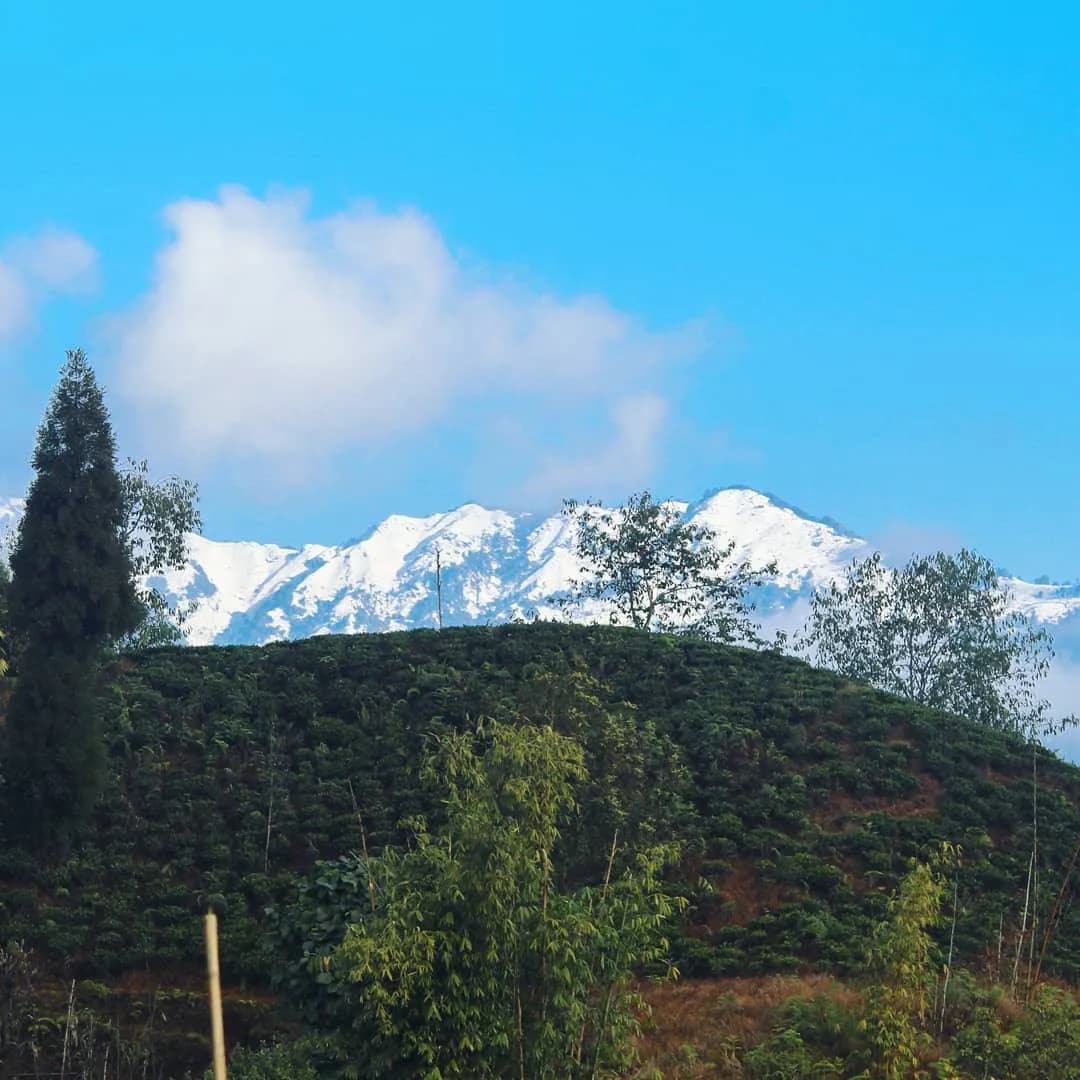
Quietly earning recognition for its floral elegance, natural sweetness and remarkable purity.
Globally renowned as the home of Mount Everest, Nepal is quietly earning recognition for something equally extraordinary: its exceptional specialty tea. Nepal tea is no longer a hidden secret.
1863
First gardens, in Ilam
Ilam
Tea capital of Nepal
1,000 to 2,200 m+
Tea belt elevation
4
Seasonal flushes
Nestled between China (Tibet) to the north and India to the south, east and west, Nepal is one of the world’s most geographically diverse countries. Within less than 200 kilometres the land rises from subtropical plains to the highest mountains on Earth, creating climatic zones uniquely suited to distinctive agriculture, including some of the world’s finest high-grown orthodox teas.
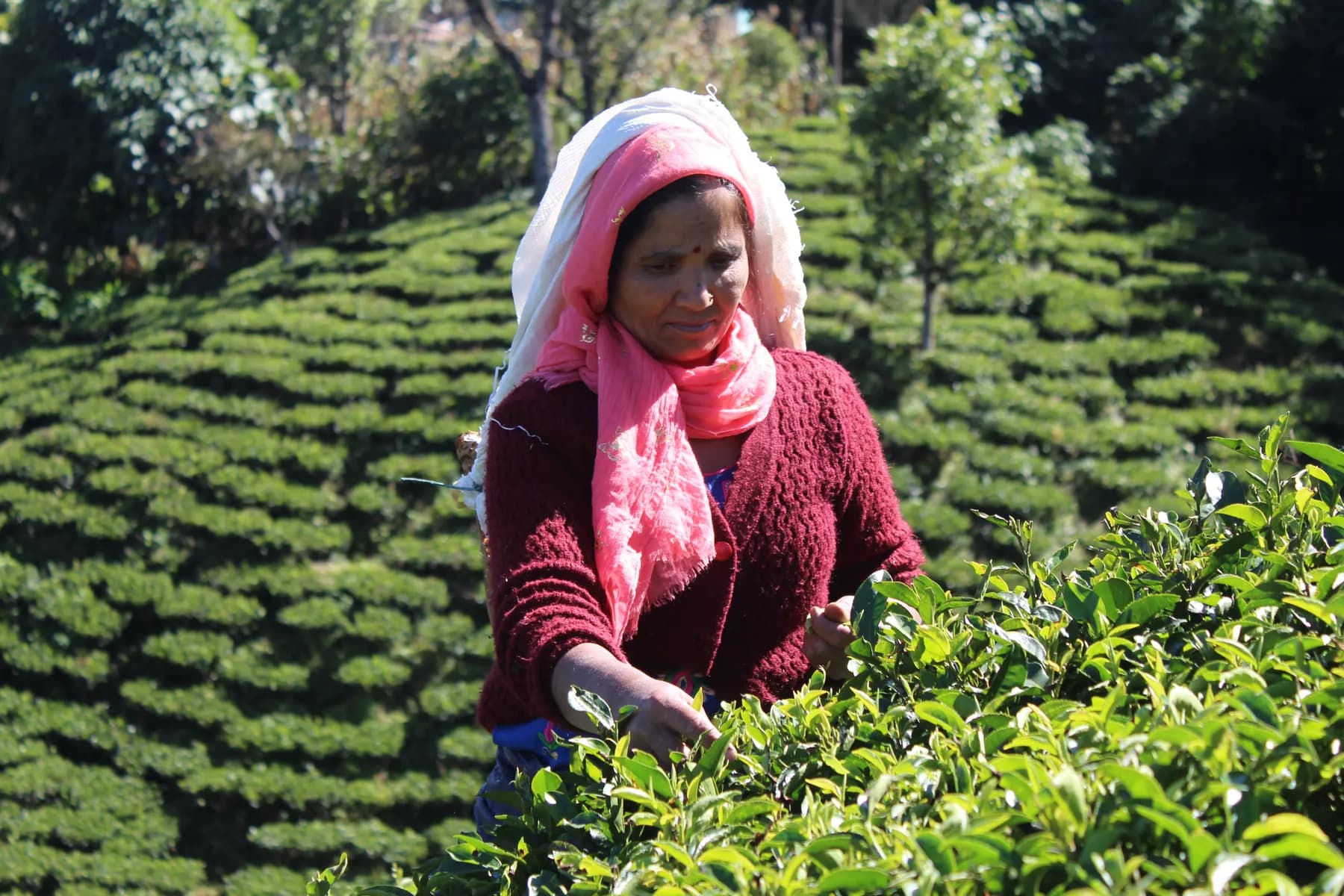
Unlike large tea nations focused on volume, Nepal has built its reputation through craftsmanship, authenticity and quality. Across its eastern hills, thousands of skilled farmers and artisan tea makers work with nature rather than against it, producing teas that appear on the menus of specialty tea houses and win recognition at international competitions.
Nepal’s finest teas grow along the same Himalayan belt that extends into Darjeeling, sharing elevations, climate and mountain terroir, yet expressing a creativity and individuality that increasingly set Nepal apart.
Why Nepal tea is capturing global attention
1863
Tea cultivation is introduced to Nepal’s eastern hills during the reign of Prime Minister Jung Bahadur Rana. Inspired by neighbouring Darjeeling, the first gardens are established in Ilam, followed shortly by plantations in Jhapa.
19th and 20th century
Ilam’s cool climate, fertile soils and high elevations prove ideal for fine orthodox tea, earning it the title Tea Capital of Nepal. For decades the industry remains small, largely supplying neighbouring markets.
1990s
Independent factories, smallholder farmers and artisan tea makers shift their focus from volume to quality, embracing orthodox craftsmanship while encouraging creativity and experimentation.
Today
Nepal exports premium orthodox teas to Europe, North America, Japan, Australia and the Middle East, and is recognised as one of the world’s most promising specialty tea origins.
Within a horizontal distance of less than 200 kilometres, Nepal rises from around 60 metres above sea level to the summit of Mount Everest, an exceptional diversity of ecosystems and microclimates. Tea finds its home in the sweet spot between.
Cool temperatures slow the tea plant, concentrating amino acids, aromatic compounds and natural sugars: Nepal’s signature floral aroma, refined sweetness and lingering finish.
Fertile, well-drained soils rich in organic matter and nourished by forest ecosystems keep bushes healthy and support sustainable cultivation.
Clean mountain air, Himalayan water sources and rich biodiversity contribute to the purity and authenticity of every harvest.
Along the eastern Himalayan hills, adjoining Darjeeling, each district shapes its own aroma, flavour and character. HIMCOOP’s members work in five of them.
Birthplace, est. 1863
Tea cultivation in Nepal began here, and today Ilam remains the country’s most renowned district: home to estates, artisan factories, organic producers and smallholder communities producing Nepal’s finest white, green, black, oolong and specialty teas. Many of the country’s international awards originate here.
21 membersPremium orthodox
High elevations and fertile soils produce teas with vibrant floral aromas, bright liquor, smooth sweetness and elegant complexity.
5 membersRefined and balanced
Cool temperatures and diverse elevations give delicate floral notes, fresh aromas and clean, balanced cups.
2 membersEmerging specialty
In the shadow of the world’s highest mountains: pristine small-batch teas with remarkable freshness and aromatic complexity.
1 memberWestern edge of the collective
The westernmost district among HIMCOOP’s members, in Bagmati Province, and the home of Everest Tea Estate.
1 memberTerhathum
Artisan tradition
A scenic district of artisan producers, with floral fragrance, natural sweetness and a smooth, harmonious finish.
Bhojpur
Quiet character
Mountainous terrain and traditional farming contribute pleasant floral notes and a smooth character.
Solukhumbu
The Everest frontier
Gateway to Everest: experimental high-altitude plantations make it one of Nepal’s most promising emerging regions.
Gardens at 1,000 to 2,200 m where cool air, mist and sunshine slow leaf growth, concentrating amino acids, essential oils and aromatic compounds for greater complexity, floral elegance and a long, lingering finish.
Nepal’s finest districts lie on the same continuous Himalayan tea belt as Darjeeling, sharing terroir yet expressing their own personality through innovation and artisan craftsmanship.
Spring’s delicate first flush, summer’s complex second flush, robust monsoon teas and smooth autumn harvests: few countries offer such seasonal diversity.
Most premium Nepalese teas are still harvested entirely by hand, two leaves and a bud, then crafted through carefully monitored orthodox processing.
Thousands of independent farming families on small plots devote exceptional attention to quality and traceability.
Rare white teas, golden tips, silver needle, artisan oolongs, GABA, smoked, wild and competition micro-lots: experimentation that is shaping the future of specialty tea.
From March to November, the tea bushes of the eastern Himalayas produce four distinct flushes, each a different mood of the mountains in the cup. Choose a season on the wheel.
Mid May to late July
The finest expression of Nepal tea
Warmer days build complexity, body and aromatic richness: the most complete expression of Himalayan terroir. Many award-winning Nepalese teas come from this flush.
Best for: Specialty buyers, premium tea houses, competitions, connoisseurs.
Every tea begins with the same plant, Camellia sinensis, yet plucking standards, harvest seasons, oxidation levels and artisan expertise create remarkably different personalities in the cup.
Withered, rolled, fully oxidised and dried, keeping the leaf whole or in large pieces. Complex and aromatic, with a long finish.
97°C · 3 to 5 min
Heated soon after plucking to stop oxidation, then rolled and dried. Fresh, vegetal and gently sweet.
80°C · 2 to 3 min
Made from young buds and leaves that are only withered and dried. Delicate, honeyed and silky.
82°C · 3 to 5 min
Partly oxidised, between green and black. Ranges from floral and creamy to roasted and rich.
90°C · 3 to 4 min
Orthodox grades describe leaf appearance, not flavour. True quality depends on cultivar, elevation, season and craftsmanship.
Side by side along the eastern Himalayas, Nepal and Darjeeling share breathtaking landscapes, high elevations and a long orthodox tradition. Many professionals consider them complementary origins rather than competitors.
| Feature | Nepal tea | Darjeeling tea |
|---|---|---|
| Location | Eastern Himalayas, Nepal | Eastern Himalayas, West Bengal, India |
| Tea capital | Ilam | Darjeeling |
| Main style | Orthodox, artisan, specialty | Orthodox |
| Innovation | Extensive experimentation with new styles | Strong emphasis on traditional styles |
| Harvest seasons | Four flushes | Four flushes |
| Typical character | Floral, sweet, elegant, diverse | Floral, muscatel, refined |
| Market position | Premium specialty tea | Premium heritage tea |
“Which is better? Neither. They are different expressions of the same Himalayan mountain range; the pleasure lies in appreciating both.”
Tell us what you are looking for and we will match it with member teas and send samples.